Table of Contents
- Material Costs: The Largest Component of Electronics Manufacturing
- Manufacturing & Assembly Costs: From Prototype to Production
- Tooling & Equipment: Upfront Investments That Shape Production Costs
- Overhead, Logistics, and Hidden Costs of Manufacturing Electronics
- Tips to Optimize Electronics Manufacturing Costs
- Conclusion
For electronics manufacturers, knowing the exact cost to produce a device is more than just tracking the bill of materials (BOM). While components like PCBs, chips, and enclosures are often the most visible expenses, they represent only a portion of the total investment required to bring a product from concept to market.
The cost to manufacture electronics extends far beyond raw materials. Labor, assembly, testing, tooling, compliance, logistics, and hidden factors such as prototyping and yield losses all play a significant role in determining the final cost per unit. Ignoring these elements can lead to inaccurate pricing, reduced margins, and unforeseen operational challenges.
In this post, we’ll break down each cost component in detail, provide practical insights, and highlight strategies manufacturers can use to optimize production expenses without compromising quality or compliance. By the end, you will learn how much it actually costs to manufacture electronics.
Material Costs: The Largest Component of Electronics Manufacturing

Materials typically account for 40–60% of total electronics manufacturing costs, making them the single largest expense in production. Understanding the nuances of material costs is critical for accurate budgeting and margin planning.
Key Material Components
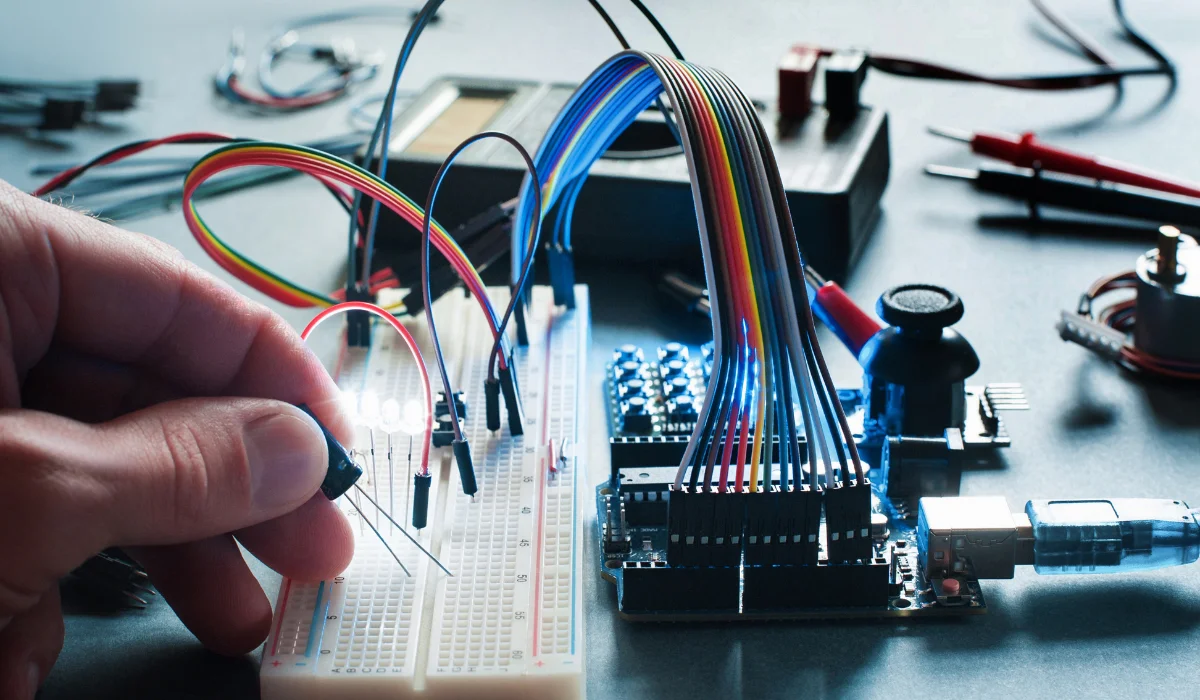
- Printed Circuit Boards (PCBs): Cost depends on size, number of layers, and complexity. Small-batch prototypes may range from $5–$50 per unit, while high-volume production can significantly reduce per-unit costs.
- Semiconductors and ICs: Microcontrollers, processors, and specialized chips are often the most expensive components. Supply chain fluctuations and scarcity can cause notable cost variation.
- Passive Components: Resistors, capacitors, and connectors are relatively inexpensive individually, but their costs add up quickly in complex designs.
- Enclosures and Mechanical Parts: The choice of material, plastic, aluminum, or specialty composites, impacts durability, aesthetic appeal, and cost.
Tips to Optimize Cost
- Bulk Purchasing: Buying components in larger volumes can reduce per-unit costs by 10–20%.
- Supplier Diversification: Multiple suppliers minimize risk and enable better pricing.
- Material Substitution: Where feasible, alternative materials or standardized components can reduce expenses without affecting functionality.
Manufacturing & Assembly Costs: From Prototype to Production
Once materials are sourced, the next major cost component is manufacturing and assembly, which can account for 20–30% of total electronics manufacturing costs. How a device is assembled, tested, and scaled has a direct impact on both quality and per-unit cost.
1. Assembly Methods
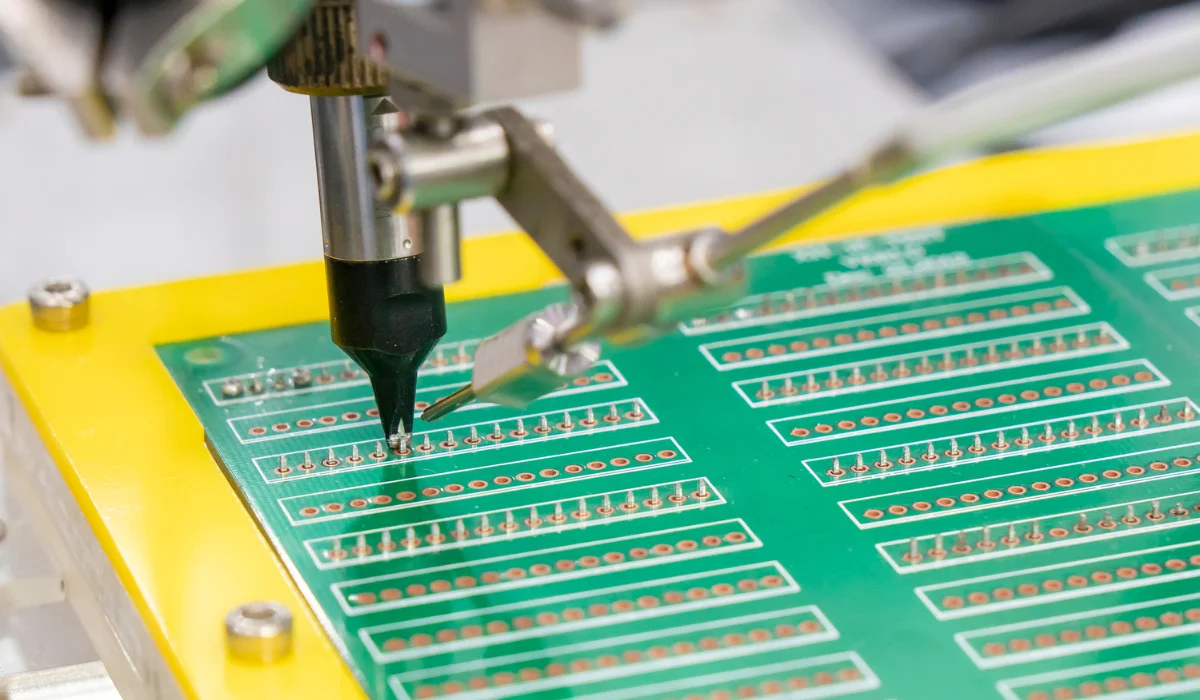
- Automated Assembly (SMT – Surface Mount Technology): High-volume production benefits from pick-and-place machines and automated soldering lines. While the initial equipment investment is significant, per-unit costs drop substantially as production scales.
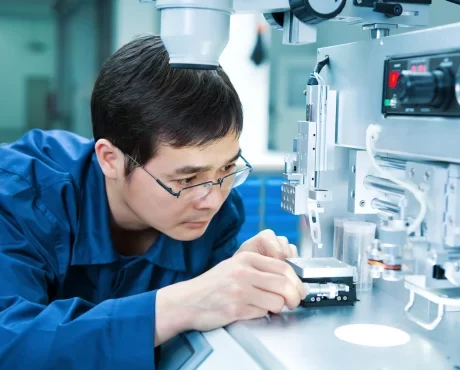
- Manual Assembly: For prototypes or low-volume runs, hand assembly is common. Labor-intensive processes make per-unit costs higher but allow for flexibility in design adjustments and small-batch customization.
2. Testing & Quality Assurance
- Functional Testing: Ensures every component works correctly.
- Burn-In Testing: Simulates extended usage to detect early failures.
- Yield Management: Even a small defect rate can increase costs significantly. For instance, a 5% yield loss in a batch of 10,000 units can add thousands to the overall expense.
3 . Scaling Impacts
- Larger production runs reduce per-unit assembly costs due to amortization of setup time and automation efficiencies.
- Efficient assembly workflows and early-stage quality control reduce scrap, rework, and warranty claims, directly affecting profitability.
Tooling & Equipment: Upfront Investments That Shape Production Costs

Tooling and equipment are essential components of electronics manufacturing, often representing a fixed cost that can significantly impact overall budgeting, especially for new products. While these expenses are incurred upfront, they decrease per unit as production volume increases.
Key Tooling Costs
- Molds for Enclosures: Injection molding molds for plastic or metal parts can range from $2,000 to $50,000, depending on complexity and size. The cost is amortized across the production run.
- Specialized Machinery: Automated assembly lines, pick-and-place machines, soldering robots, and inspection equipment require substantial capital investment.
- Testing Equipment: Oscilloscopes, functional testers, and burn-in stations ensure quality but add to setup costs.
Also Read: Best Tools and Techniques for Electronics Manufacturing Cost Estimation
Cost Considerations
- Fixed vs Variable Costs: Tooling is mostly a fixed cost. As production volume increases, the per-unit share of tooling cost declines, making scale a key factor in cost efficiency.
- Upgrades and Maintenance: Regular maintenance or occasional upgrades prevent downtime and preserve product quality, but they must be accounted for in long-term budgeting.
Automation vs Manual Labor
- Automation: Reduces dependency on manual labor, increases speed, and improves consistency. Lower per-unit costs at scale offset high upfront investment.
- Manual Labor: Offers flexibility for prototypes, custom products, and low-volume runs but comes with higher ongoing costs and increased risk of human error.
Efficiency Strategies
- Optimize workflows to minimize handling time and rework.
- Train staff for multi-skilled roles to improve productivity.
- Combine automation with targeted manual intervention for tasks requiring precision or flexibility.
Overhead, Logistics, and Hidden Costs of Manufacturing Electronics
Beyond materials, labor, and tooling, overhead and hidden costs can quietly add 10–15% or more to electronics manufacturing expenses.
- Overhead: Utilities, facility rent, and management/support staff.
- Logistics: Shipping, handling, customs duties, packaging, and labeling.
- Hidden Costs: Prototyping and design iteration, scrap, defects, and yield losses, inventory carrying costs, tying up capital, and storage space.
Accounting for these costs upfront helps manufacturers accurately predict margins and make informed decisions on production scale, supplier contracts, and process optimization.
Tips to Optimize Electronics Manufacturing Costs
Reducing the manufacturing costs of electronics without compromising quality is a key priority. Strategic decisions at each stage of production can significantly improve margins.
- Optimize Material Sourcing: Bulk purchasing, supplier diversification, and material substitution.
- Streamline Manufacturing & Assembly: Automation, efficient workflows, and early quality control.
- Manage Labor Costs Strategically: Combine automation with manual labor, train multi-skilled staff, and consider regional cost differences.
- Control Overhead & Logistics: Optimize facility usage, shipping, packaging, and inventory management.
- Plan for Compliance & Certification: Incorporate regulatory requirements early, partner with accredited labs, and factor costs into pricing.
Conclusion
The cost to manufacture electronics extends far beyond the obvious price of components. Materials, labor, assembly, tooling, logistics, and regulatory compliance all contribute to the total investment required to bring a product to market. Hidden factors, like prototyping, scrap, and yield losses, can further impact profitability if not carefully managed.
By breaking down each cost component and implementing strategic optimizations, manufacturers can make informed decisions that balance quality, efficiency, and margins. Accurate cost management isn’t just about saving money; it’s about ensuring reliability, meeting market demands, and maintaining a competitive edge in today’s electronics industry.