How Procurement Cost Analysis Reduces Expenses

Procurement leaders today face growing pressure to control costs while maintaining supplier quality and reliability. Rising material costs, complex supply chains, and hidden operational inefficiencies make it difficult to know where money is being spent and whether it could be spent more effectively.

Procurement cost analysis provides the clarity teams need. Unlike basic price checks or spend reports, it digs into the actual drivers behind procurement expenses, giving leaders a clear view of what contributes to cost and where savings can be achieved. By understanding these factors, procurement teams can make smarter sourcing decisions, negotiate more effectively, and ultimately reduce unnecessary spending without compromising quality or delivery.

In short, cost analysis transforms procurement from a reactive, transactional function into a strategic lever for cost control and efficiency. 

What Cost Analysis Means in Procurement

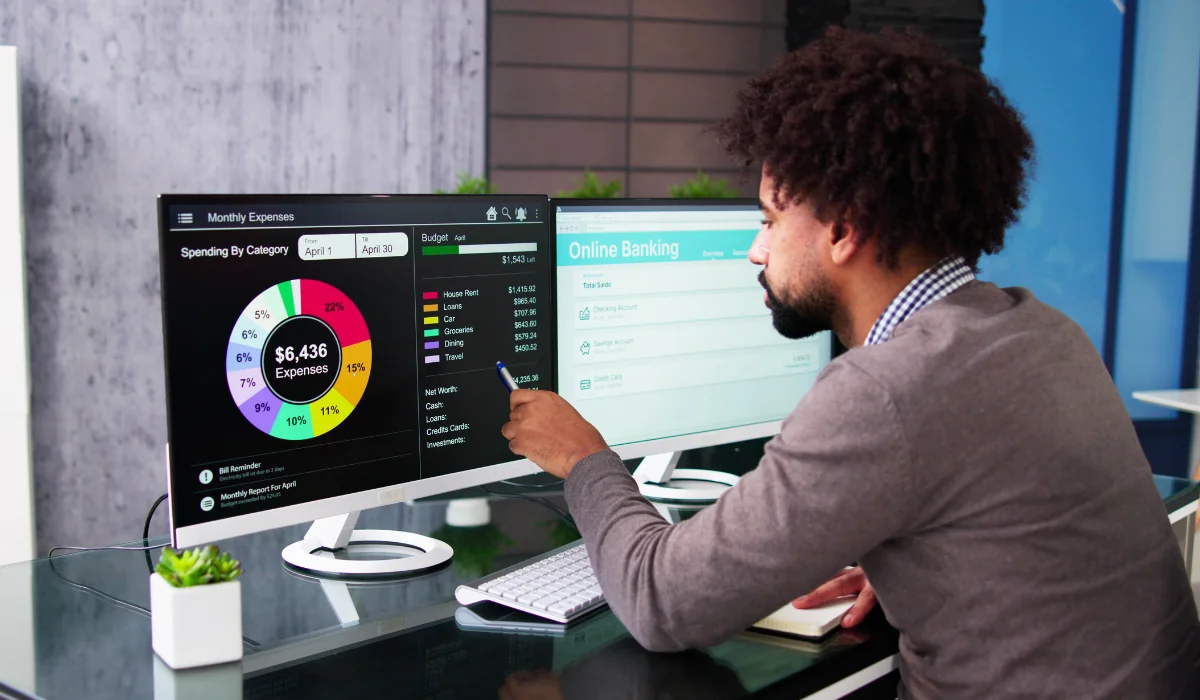
online budget trackingCost analysis in procurement is a systematic evaluation of all factors that contribute to the total cost of a product or service. This includes not only the purchase price but also raw materials, labor, logistics, overhead, and lifecycle costs.

Unlike spend analysis, which focuses on tracking where money goes, sourcing cost analysis answers the question: “Why does this cost what it does?” It identifies cost drivers and breaks down complex pricing structures, enabling procurement teams to understand the components behind supplier quotes.

For example, a supplier may offer a competitive unit price, but high shipping, handling, or storage costs could make the total expense higher than that of a slightly more expensive supplier with lower operational costs. Cost analysis provides this clarity, giving procurement leaders the visibility and leverage to make data-driven decisions.

Also Read: Why Cost and Price Analysis is Important in Procurement

Common Factors Behind Rising Procurement Expenses

Procurement expenses often extend far beyond the price quoted by a supplier. Identifying hidden cost drivers is a key step in procurement cost optimization, helping teams target high-impact savings. 

  • Supplier process inefficiencies: Delays or errors on the supplier side can increase costs through rush orders or rework.
  • Over-specification or unnecessary requirements: Purchasing higher-grade materials or excess features adds cost without added value.
  • Contract terms and hidden fees: Certain clauses or penalties may inflate total spending over time.
  • Lifecycle and maintenance costs: Products with low initial prices may require costly maintenance or replacement.
  • Operational inefficiencies: Internal delays or poor coordination between procurement, finance, and operations can indirectly lead to increased costs.

Analyzing these drivers enables procurement teams to spot inefficiencies that are often overlooked and take action before costs escalate.

How Procurement Cost Analysis Helps Reduce Expenses

businessman draws an arrow cost reductionCost analysis helps procurement leaders understand exactly where money is being spent and why. It contributes to cost reduction in several ways:

  • Uncover hidden costs: Identify logistics, handling, and vendor overheads that are not obvious from initial quotes.
  • Prioritize high-impact savings opportunities: Focus on areas where cost reductions will have the greatest effect, such as contract renegotiation or process optimization.
  • Support smarter supplier decisions: Choose vendors strategically by balancing unit price, quality, reliability, and total cost of ownership.
  • Prevent overpayment and operational waste: Avoid unnecessary spending on over-specification, excess inventory, or inefficient processes.
  • Inform negotiations with data: Suppliers are more likely to offer discounts or process improvements when procurement teams have detailed cost breakdowns.

With these mechanisms, cost analysis shifts procurement from reactive spending to strategic, controlled expense management.

Also Read: How AI Procurement Software is Changing Supplier Cost Analysis

How Procurement Software Helps in Cost Optimization

Modern procurement software transforms sourcing cost analysis from a manual, error-prone task into a strategic, data-driven capability for both OEMs and Tier 1 suppliers.

For OEMs, the software helps in managing suppliers and commodities

  • Track supplier performance: Monitor quality, delivery, and compliance to identify inefficiencies that drive costs.
  • Manage commodity costs dynamically: Raw material indexing allows proactive sourcing decisions in response to price changes.
  • Benchmark suppliers: Compare vendors across regions or plants to identify the most cost-effective options.
  • Streamline sourcing processes: Automated RFQs and spend analysis reduce manual effort and highlight cost drivers.
  • Enforce accountability: Ensure suppliers meet expectations and avoid hidden or unexpected expenses.

Here’s how software helps suppliers optimize costs through smart procurement.

  • Negotiate with data: Transparent costing of raw materials and processes supports fact-based negotiations.
  • Control sourcing spend: Detailed cost breakdowns prevent overspending on materials or bought-out parts.
  • Plan for material fluctuations: Simulations show how changes in raw material prices affect procurement costs.
  • Track performance continuously: Dashboards monitor supplier KPIs to identify areas for improvement.
  • Simplify RFQ management: Automated workflows improve sourcing efficiency and reduce unnecessary costs.

By integrating cost analysis into software, procurement teams gain visibility into where money is being spent, what drives costs, and where action can generate savings, making procurement both strategic and efficient.

Conclusion

Procurement cost optimization isn’t about cutting corners or focusing only on the lowest price. It’s about understanding why costs exist and how to manage them strategically. Cost analysis provides procurement leaders with clarity, revealing hidden expenses, prioritizing savings, and supporting smarter supplier decisions.

When paired with the right software, cost analysis in procurement becomes actionable and scalable. OEMs can manage supplier performance, optimize commodity spending, and enforce accountability. Tier 1 suppliers can negotiate confidently, control sourcing costs, and plan for material price changes.

Next step: Review your current procurement processes, identify where cost analysis can be enhanced, and explore tools that make these insights actionable. Even small adjustments in visibility and data-driven decision-making can lead to improved procurement efficiency in manufacturing. 

Frequently Asked Questions

  1. How does procurement software help reduce procurement expenses?

It automates tasks like purchase requisitions, order processing, and invoice approvals, reducing manual effort, errors, and cycle times, directly lowering costs.

  1. What are the key benefits of procurement software for cost analysis?

Procurement software provides spend visibility, supplier performance tracking, and process automation, helping identify cost drivers and optimize decisions.

  1. Can procurement software help in vendor negotiations?

Yes. It provides data on supplier performance, pricing trends, and order history, enabling procurement teams to negotiate more effectively.

  1. How does procurement software improve supplier performance?

By centralizing supplier information and monitoring KPIs, organizations can identify top performers, highlight improvement areas, and foster continuous collaboration. 

A product by softude © 2023. All rights reserved.