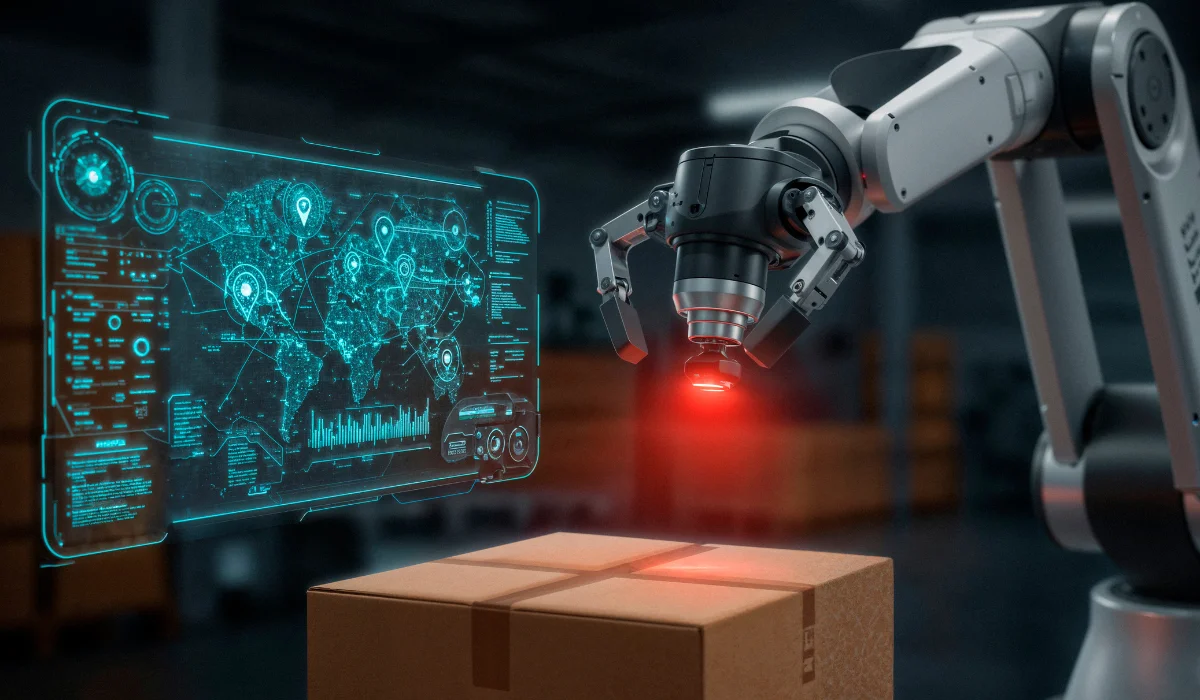
The world of manufacturing has totally changed. The old, straight-line supply chain is now a giant, tangled web, which means controlling costs is the most important thing you do.
1. The World is Complex, So Management Must Be Smart
The modern supply chain has thousands of moving pieces: suppliers across different countries, various laws, customers who want faster customization, and strict rules about being sustainable. Changes in global politics or local problems can quickly cause big delays and push costs up.
- Global Shocks: A new tax or a small conflict can instantly mess up thousands of contracts and shipping schedules.
- Green Rules: Following global rules about the environment (ESG) means you need to track every material and every mile it travels. This adds complexity.
- Customer Demands: Everyone expects things to arrive fast and to know exactly where their order is, putting massive pressure on how you manage stock and shipping.
2. The Problem of Rising Costs
Your profit margins are under attack. When costs for materials and energy go up, and it’s hard to find skilled workers, the only way to save your profits is to run everything as smoothly as possible. Every dollar saved on buying materials, storing products, or fixing broken machines is a dollar added straight to your profit.
3. The AI Advantage: Fast, Big, and Smart
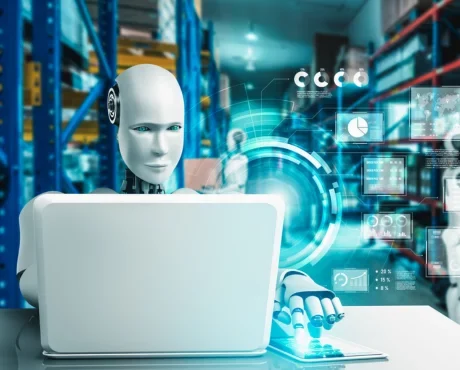
Old planning systems rely on set rules and what people think will happen. AI-driven supply chain optimization changes everything by offering three main benefits:
- Look at Massive Data: AI can analyze thousands of gigabytes of information, including your organized sales data, as well as unstructured content like news reports and social media chatter, all at once.
- Guessing Right: Using smart software (Machine Learning or ML), AI finds tiny connections that people often miss. This lets it predict problems, from huge demand spikes to a machine breaking down, with high confidence.
- Automatic Action: When something goes wrong, AI instantly figures out the total impact and can automatically fix things, like switching shipping routes or quickly buying materials, without waiting for a person to step in. This speed is what supply chain resilience is all about.
AI-powered supply chain management is helping in five key areas. In each area, it directly helps you cut costs and work more efficiently.
1. Predicting Demand: Better than a Simple Guess
Knowing exactly what people will buy is the foundation of efficient manufacturing. Old systems often focus only on past sales, which is useless when the market changes quickly.
How AI Does It
Smart AI supply chain models use complex software to combine hundreds of factors:
- Your Data: Past sales, promotions, and how long products usually last.
- Outside Data: What competitors are charging, big economic reports (like unemployment), consumer moods, and even local weather forecasts.
By finding the small clues in this large dataset, AI predicts not just what will sell, but when and where. This means you make and stock the exact right amount, avoiding running out of stock (lost sales) and having too much stock (wasted money).
2. Inventory Control: Always Have What You Need (and No More)
Stock is money sitting still; it costs a lot to keep around. Too much stock means high holding costs, warehousing fees, and the risk of products becoming old. Too little stock means lost sales and expensive rush orders. Inventory management AI finds the perfect middle ground.
How AI Does It: AI constantly checks demand, delivery times, and current stock levels. It then tells you exactly how much to order and when to order it. For companies with many locations, it figures out the best way to spread stock across all your warehouses so you can meet local customer needs while keeping overall inventory holding costs low.
3. Supplier Risk: Knowing Who Might Fail First
Relying on old check-ups or manual assessments of your suppliers is risky. One key supplier failing can stop your whole factory and cost millions.
How AI Does It: AI supplier risk tools watch millions of news sources globally in real-time. This includes financial reports, official papers, social media, and global risk reports. They instantly flag risks, like a sudden drop in a supplier’s value or rising political tension in their area. This lets you find new materials or order extra stock before the problem happens, protecting your plans.
4. Fixing Machines Early: No More Unexpected Stops
When a machine breaks down without warning, it’s one of the biggest and most preventable costs in manufacturing. It wastes time, delays deliveries, and ruins schedules.
How AI Does It: Predictive maintenance uses smart software (ML) to look at data from sensors on your machines, like temperature, vibration, and energy use. By learning what “normal” looks like, the AI can spot tiny changes that suggest a breakdown is coming (often weeks before it would happen). It then tells you the best time to do maintenance before the machine fails, changing expensive, sudden repairs into cheap, planned work.
5. Smart Pricing: Making Sure You Always Make a Profit
When your supply chain is complex, staying profitable means truly understanding your total costs and being able to change prices quickly.
How AI Does It: AI software does detailed cost analysis by connecting outside factors (like rising fuel prices or money exchange rates) with your internal costs (like how long a specific batch takes to run). Using this complete picture, it suggests dynamic pricing changes that maximize your profit while keeping you competitive. This is vital for surviving markets where commodity prices fluctuate.
Also Read: Why Explainable AI is the Key to Transparent Cost Estimation in Manufacturing
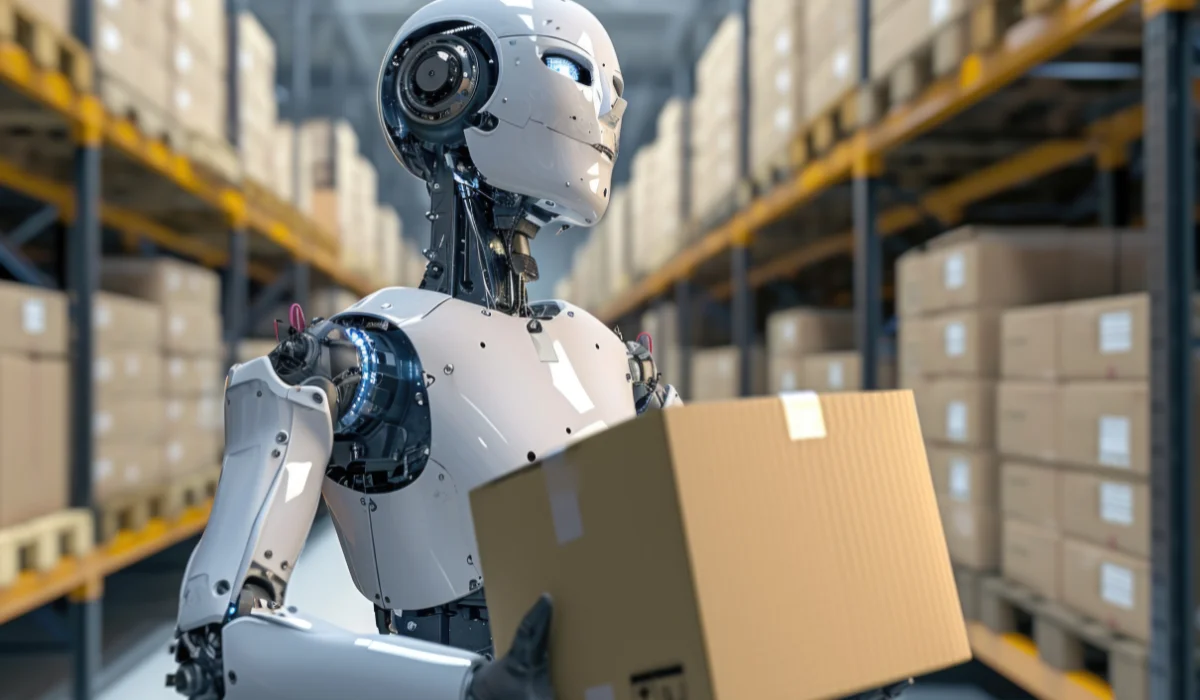
The money and time needed to make this change are big, but the returns from an AI-powered supply chain are huge and long-lasting:
- Lower Costs: By buying better, reducing extra stock by up to 30%, cutting waste, and almost completely stopping unexpected machine breakdowns through predictive maintenance, you get a lot of your profit back.
- Faster Recovery: Being able to instantly guess, spot, and handle problems, like a material shortage or a shipping delay, makes your business much more stable. This protects your sales and reputation.
- More Efficiency: When AI handles the automatic decisions, your human planners are free to focus on strategic buying, complex risk plans, and negotiations. This means everything gets done faste,r and resources are used better.
In the end, you move from a supply chain that reacts to problems and costs you money to one that automatically fixes itself and constantly makes you money.